

Seller Tips
Home Staging Tips That Actually Sell Utah Homes Faster
8 min read · Nicki Christensen
Staging is not decorating. It is not making your home look nice for company. Staging is a marketing strategy — one backed by real data. According to the National Association of Realtors, staged homes sell up to 73% faster than non-staged homes and for 6-25% more than their non-staged counterparts. In Utah's current market, where buyers have more options than they did two years ago, staging is one of the highest-return investments a seller can make.
I have seen this play out dozens of times: two comparable homes in the same Alpine or Draper neighborhood, similar square footage, similar price — the staged one sells in a week, the other sits for forty days. Staging is the difference. Here is exactly how to do it, room by room, with specific advice for our Utah market.
The rooms that matter most
Not every room needs the same level of attention. Buyers form their opinion in the first 30 seconds, and certain spaces carry far more weight than others.
Kitchen
The kitchen sells the home. Period. Clear every counter except for one intentional vignette — a cutting board with a cookbook, a bowl of green apples, a simple plant. Remove everything from the front of the refrigerator. Clean the inside of the oven (buyers open it). If your hardware is dated brass from the 1990s, swap it for matte black or brushed nickel pulls for under $100.
Primary bedroom
This room needs to feel like a retreat. Use white or neutral bedding, remove the TV if it dominates the room, and clear the nightstands down to a lamp and one item. If you have a reading chair, stage it with a throw blanket. Buyers are buying a lifestyle here, not a room.
Living room
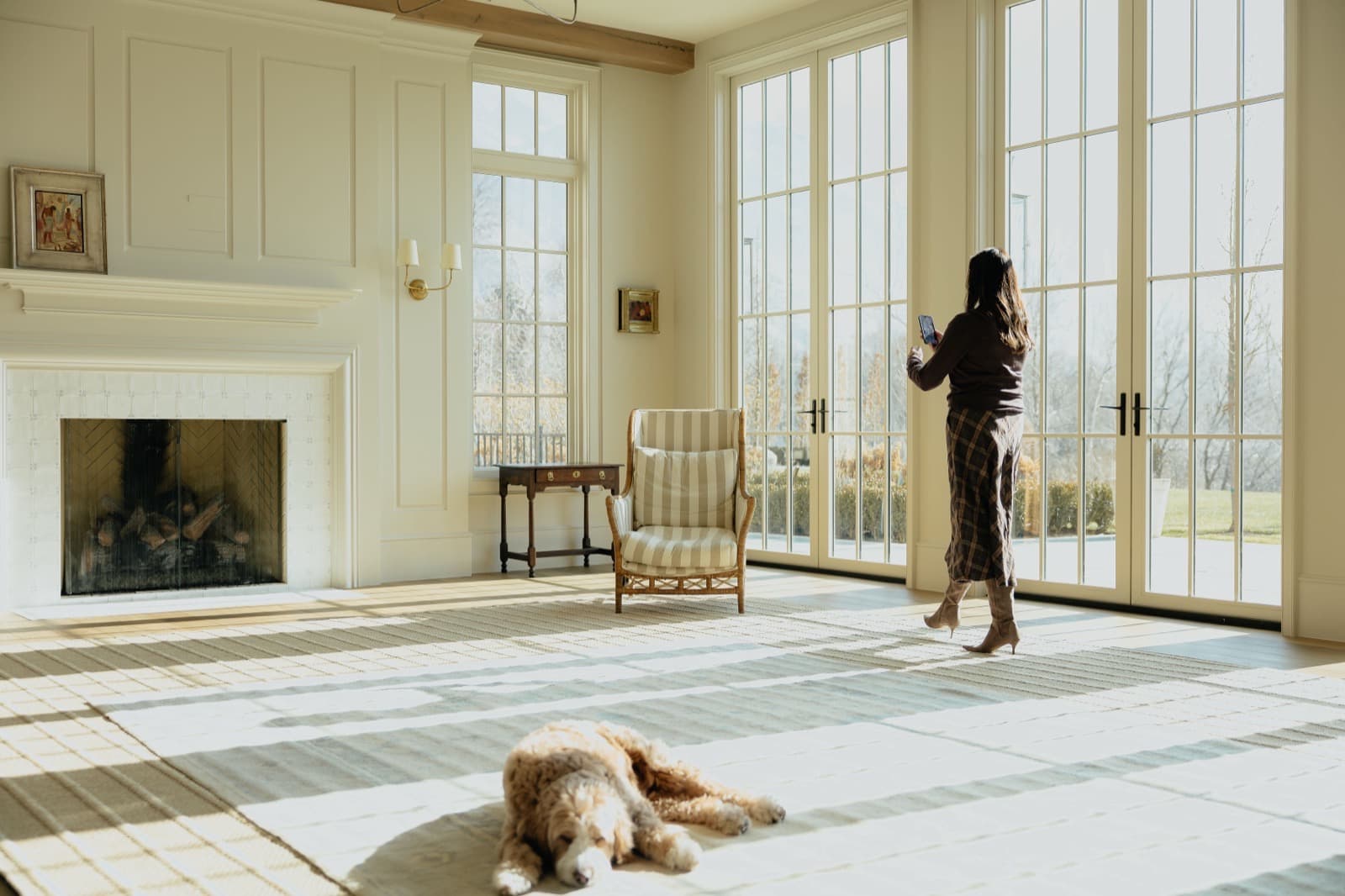
Less furniture is almost always better. Remove one or two pieces to make the room feel larger. Arrange what remains to create a clear conversation area. If you have luxury features like a fireplace or mountain views, make sure the furniture arrangement draws the eye there, not to the television.
Bathrooms
Roll white towels and display them on the counter or in a basket. Remove all personal products from the shower and countertops. A new shower curtain costs $20 and makes a bigger difference than you would expect. Re-caulk if needed — buyers notice discolored caulk and it signals deferred maintenance.
Entryway
First impression, full stop. A clean front door (repaint it if it is scuffed), a simple doormat, a bench or console table with a mirror above it. In Utah, the entryway sets the tone before buyers see a single room.
Utah-specific staging strategies
Our market has unique characteristics that national staging advice misses. Here is what I coach my sellers on.
Mudrooms and gear storage
Most Utah families are active outdoors. Ski gear, hiking boots, mountain bikes, camping equipment — it all needs a home. If you have a mudroom, stage it to look organized and intentional: matching baskets, a few hooks with a clean jacket and a hat, a pair of boots on a boot tray. Show buyers that this home handles the Utah lifestyle. If you do not have a formal mudroom, create a drop zone near the garage entry with a bench and hooks.
Mountain views — do not block them
If your home has Wasatch Front, Timpanogos, or valley views, every window showcasing them should be completely unobstructed. Pull furniture away from view windows. Remove heavy drapes and replace them with sheer panels or nothing at all. I have seen sellers lose tens of thousands of dollars in perceived value simply because their furniture layout turned a stunning view into background noise.
Outdoor living spaces
Utah gets over 300 days of sunshine. Stage your patio, deck, or backyard like an additional living room. Clean outdoor furniture, add cushions, set a small table with plates and glasses. If you have a fire pit, arrange chairs around it. Buyers in our market actively want to picture themselves outside, and a neglected patio tells them this home does not support that lifestyle.
Basement staging
Most Utah homes have basements, and too many sellers leave them as cluttered afterthoughts. A finished basement should be staged with the same care as the main floor. Define each area clearly — a family room zone, a play area, a workout corner. If your basement is unfinished, clean it thoroughly and make sure the lighting works. A dark, cluttered basement makes the entire home feel smaller.
Professional staging vs. DIY: the real cost comparison
Professional staging in Utah typically runs $2,000 to $5,000 for a full home, depending on square footage and how much furniture needs to be brought in. That includes a consultation, furniture rental, and installation for the duration of your listing.
DIY staging, done well, can be effective for $200 to $500 — new throw pillows, fresh white towels, a few plants, paint touch-ups, and hardware swaps. The key is ruthless editing rather than adding.
My recommendation: if your home is vacant, invest in professional staging. Empty rooms photograph poorly and feel smaller in person. If you are living in the home while it is listed, a professional consultation ($200-400) combined with your own execution is the sweet spot for most sellers. Either way, staging costs are detailed in my breakdown of the full cost to sell a home in Utah.
The 50% decluttering rule
Here is the advice sellers resist most — and the one that makes the biggest difference. Walk through every room and remove 50% of what you think looks fine. Half the books off the shelves. Half the photos off the walls. Half the items off the kitchen counter. Half the clothes out of the closets (yes, buyers open closets).
Your home should feel like a model home, not a lived-in home. That means it will feel a little sterile to you while you are living in it. That is exactly right. You are not living in your home anymore — you are selling a product.
Photography staging vs. showing staging
These are two different things, and smart sellers prepare for both.
Photography staging is about creating clean sight lines, eliminating distractions, and maximizing light. I work with my photographer to identify every angle we will shoot and stage specifically for those frames. This means removing things you might not notice in person but that show up in photos — trash cans, pet bowls, wall outlet covers that are yellowed, cords visible behind furniture.
Showing staging is about the sensory experience. Comfortable temperature, natural light streaming in (open every blind), soft background lighting in darker rooms, and clean scents — or better yet, no scent at all. The goal is that buyers walk in and feel something. The photography gets them through the door; the showing experience gets them to write an offer.
Virtual staging: proceed with caution
Virtual staging — digitally adding furniture to photos of empty rooms — has become common and it works well in specific situations. It is cost-effective ($100-300 per photo), fast, and helps buyers visualize empty spaces.
But it backfires when sellers use it to misrepresent a space. If the virtually staged furniture would not actually fit in the room, buyers feel deceived when they walk in. If the style is dramatically different from the home's character, it creates a jarring disconnect. Use virtual staging for vacant homes where you cannot justify the cost of physical staging, but always disclose that the photos are virtually staged, and keep the furniture scale realistic.
Curb appeal in a dry climate
Utah's high desert climate means traditional lush landscaping is not always realistic — or wise. Here is what works.
Xeriscaping done well looks intentional, not barren. Clean rock beds, native grasses, a few strategic shrubs, and one or two focal plants create a polished look that does not require heavy irrigation. Buyers increasingly appreciate water-wise landscaping.
Winter curb appeal is where many Utah sellers lose the plot. If you are listing between November and March, your landscaping is dormant. This is when exterior lighting becomes your best friend. Warm pathway lights, a lit front porch, and clean gutters make a home inviting even when the yard is brown. Power wash the driveway and sidewalks — they show every stain when the landscaping is not there to distract.
Keep the walkway shoveled and salted during snow season. A buyer slipping on your icy front steps is not starting the tour in a buying mood.
Seasonal staging tips for Utah
Winter staging (November - March): Lean into cozy. Layer throw blankets on sofas, light the fireplace for showings, use warm-toned lighting throughout. Set the thermostat to 70 degrees before every showing. Stage the mudroom with winter accessories. A warm, inviting home on a cold Utah day is powerful.
Spring and summer staging (April - October): Open the windows and let fresh air in. Brighten every room — swap heavier textiles for lighter ones. Stage the patio and backyard. Fresh flowers on the kitchen island and dining table. This is when Utah homes show best, and your staging should amplify the energy and light.
What NOT to do
Over-personalizing. Family photos, kids' artwork on the fridge, monogrammed towels, religious or political items — all of it needs to come down. Buyers need to see themselves in your home, not your family.
Strong scents. No candles, no plug-in air fresheners, no baking cookies before a showing. Artificial scents make buyers suspicious that you are covering something up. If your home smells clean, that is enough.
Hiding problems. A rug over a stained carpet or a strategically placed piece of furniture over damaged flooring always gets discovered during inspection. It erodes trust and gives buyers leverage to negotiate harder. Fix the problem or price it in — do not hide it.
Ignoring the garage. In Utah, the garage is a selling feature. Clean it, organize it, and make sure buyers can see that their vehicles and gear will fit. A cluttered garage makes buyers question the home's storage capacity overall.
Your staging game plan
If you are preparing to sell and want a staging plan tailored to your specific home and neighborhood, that is part of how I work with every seller. I walk through the home, identify the highest-impact changes, and give you a prioritized list — what to do yourself, what to hire out, and what to skip. You can start with my complete seller preparation checklist and go from there.
Staging is not about spending the most money. It is about making strategic, targeted decisions that help buyers see the best version of your home. In a market where presentation separates the homes that sell in a week from the ones that sit for two months, it is worth getting right.

About the author
Nicki Christensen is a Utah REALTOR® with ERA, serving Utah County and the Wasatch Front — from first-time buyers to distinguished homes. Get in touch for a private consultation.
Related posts
Seller Tips
When Is the Best Time to Sell Your Home in Utah?
Spring gets the headlines, but fall sellers in Utah often face less competition and more serious buyers. Here is a month-by-month breakdown.
Read more →
Seller Tips
How Much Does It Cost to Sell a Home in Utah? (2026 Breakdown)
Most Utah sellers walk away with 90-94% of their sale price. Here is exactly where the other 6-10% goes, with a real dollar breakdown.
Read more →